Switching Off: How Rest Prevents Burnout and Boosts Performance
This Christmas, I switched off completely. But Christmas 2024 was different—multiple deals closing, constant emails, mentally still in the office. Here’s what I learned: rest isn’t a luxury, it’s a performance multiplier. Vacations increase performance by 80%.

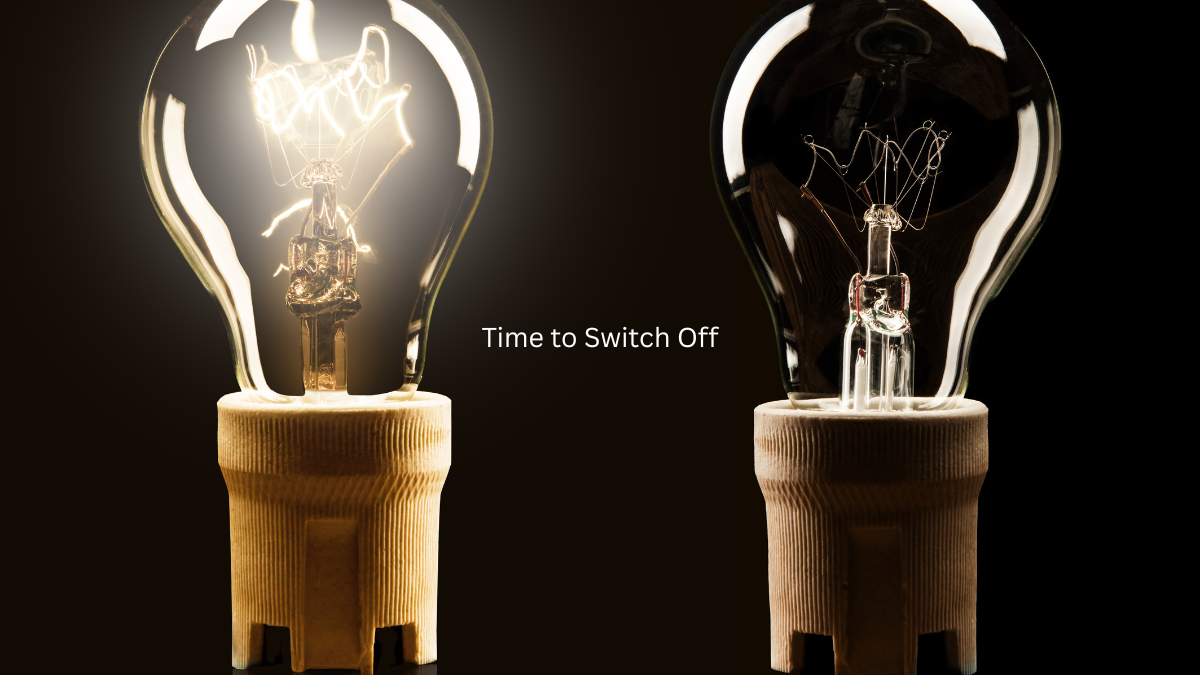
This Christmas, I switched off. Completely. We took the kids to Calgary—minus 40°C with wind chill—which ironically feels warmer than Hong Kong at present! They loved the snow. I loved being present.
I wasn’t working for most of 2025. So switching off wasn’t hard. There was no work pulling at me.
What I’d Been Missing
But reflecting on my previous Christmas holiday, I realised what I’d actually been missing.
During Christmas 2024, I had multiple deals closing. I was on the computer every morning before anyone woke up, and again every evening when everyone went to bed. The barrage of emails during the day was constant. To many lawyers, that sounds like normal. But we know the truth: those two hours of visible work are just the tip. The rest of the day, you are mentally and physically tethered. You’re checking your phone when you wake up and responding to anything urgent. You’re scanning the inbox before bed and again responding to stuff. You’re quickly responding to emails when you get a moment. You’re taking “urgent” calls.
You’re physically present, but mentally still in the office. Your family waits patiently for you, because you have to deal with something “important”. You get real email anxiety hoping nothing blows up when you are actually not looking at your phone or computer.
On Christmas Day itself, I had to take an urgent all-parties call. It was supposed to last 30 minutes. It ran for two hours. Add the prep beforehand and the follow-up emails and calls—and Christmas Day was gone.
The Norm We’ve Accepted
That holiday wasn’t unique. It was the norm for pretty much every holiday I’d had in the past ten years. And I suspect it’s the norm for most lawyers and senior professionals. We’ve all become used to it. Some even wear it as a badge of honour.
I’ve heard the pushback: “I’d like to switch off, but I need to service my clients” or “I have to supervise my team, even on holiday.” Partners need ownership of their matters and clients. The business demands it.
What the Research Actually Shows
But here’s what the research actually shows. Rest isn’t a luxury—it’s a performance multiplier. Vacations increase performance by 80% and reaction times by 40%. Regular disconnection reduces task errors by 50%. And genuine downtime doesn’t just feel good; it regulates cortisol, prevents burnout, and boosts creativity by activating the brain’s default mode network for problem-solving.
Avoiding Burnout
When you’re always on, you’re not protecting your clients or your business. You’re degrading both.
Protecting Boundaries in 2026
Now, in 2026, I’m building a portfolio career and aiming to protect those boundaries. I’ll say no to certain work if it breaches them. That will hurt my wallet.
But I’m also realistic. When real money is on the table and clients are demanding, those boundaries will be tested. I may not hold them as cleanly as I’d like. The realities of needing to earn and not letting my clients down will push back hard.
Still, I’m going in with my eyes open. I’ve tasted what actual rest feels like. And I know from the evidence what it does. I’m not going back to pretending that checking emails at midnight counts as a holiday.
That’s the difference between actually switching off and just working with a view of the snow.
What’s Your Experience?
If you spent your break checking emails “just in case,” you didn’t rest. You just worked with a different view.
What would it take for you to actually switch off? Drop a comment below. I would genuinely like to hear how professionals are protecting their downtime.


